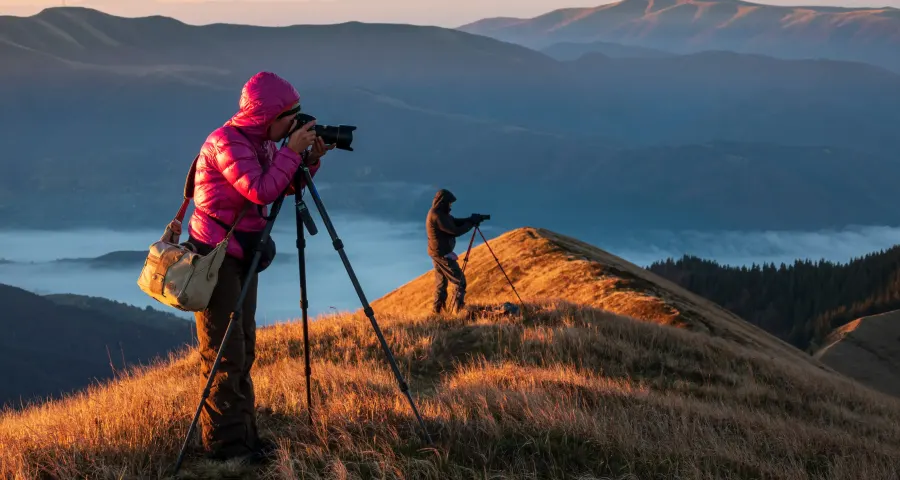
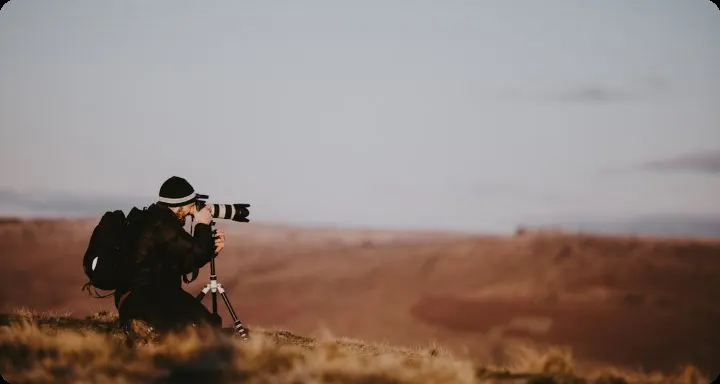
Choosing the best travel camera for wildlife photography becomes easier when you start with the realities of the trip. Wildlife work asks for speed, reach, durability, and comfort over long days. Travel adds luggage limits, changing weather, charging constraints, and the need to move with ease.
That combination makes this decision more practical than glamorous. A camera that feels strong in a store still has to perform in a vehicle, on a boat, in a humid forest, or during repeated walks with a telephoto lens. The strongest choice supports your subjects, your pace, and the kind of experience you want to have in the field.
What makes a camera truly travel-ready for wildlife?
When the camera feels balanced and intuitive, you can pay more attention to behavior, light, framing, and timing. That kind of ease helps many photographers come home with stronger images and a more rewarding travel experience.
For many photographers, the best travel camera for wildlife photography is the one that keeps autofocus responsive, gives enough battery life for a full session, and fits into a kit you will enjoy carrying from dawn through the final light.
A travel-ready wildlife camera supports field efficiency from the first outing. Fast autofocus helps you stay with movement. Good handling keeps your hands relaxed during long sessions. Weather sealing adds confidence when dust, spray, or drizzle becomes part of the day.
A strong travel body also works well with the lenses you plan to carry. Wildlife photographers often build their results around a telephoto, so balance in the hand matters as much as body size. Controls should feel clear, the viewfinder performance should stay comfortable, and the shutter response should encourage quick decisions.
The winning formula usually combines four elements: dependable focus, manageable weight, enough endurance, and a body you enjoy using for hours at a time.
Sensor size, crop factor, and weight: finding the right balance
Sensor size shapes the whole travel kit. It influences body size, lens size, apparent reach, and the way the system feels after several days in the field. For wildlife travel, that balance often matters more than prestige.
A smaller system can make a long telephoto more portable, which is why many travelers also compare camera weight with support options, such as the best travel tripod for wildlife photography, before making a purchase.
Travel photographers also benefit from thinking in complete systems. A body that pairs gracefully with a lighter telephoto can create more freedom on foot, smoother handling in vehicles, and a kit that remains enjoyable through a full itinerary.
When full-frame makes sense
Full-frame cameras shine for photographers who value stronger high-ISO files, broader dynamic range, and comfortable performance at dawn or dusk. They also pair beautifully with premium telephoto lenses when image quality sits at the center of the buying decision.
When APS-C or Micro Four Thirds is the smarter travel choice
APS-C and Micro Four Thirds systems offer an attractive mix of portability and effective reach. They help many travelers carry a lighter kit, react faster on the move, and stay fresh during long sessions. For birding-heavy trips, rainforest travel, and active itineraries, that balance can feel especially rewarding.
Autofocus, burst rate, and stabilization matter more than marketing claims
Wildlife photography rewards cameras that keep up with motion. Subject detection, strong tracking, and fast burst performance help you work with birds in flight, quick changes in direction, and brief behavioral moments. A generous buffer keeps the rhythm smooth when the action builds.
Stabilization adds another layer of confidence. In-body stabilization and lens stabilization support cleaner handheld work, especially when the light softens or when you are working from a vehicle or boat. This is also where lens choice becomes central, which is why many photographers research the best travel lens for wildlife photography alongside the camera body.
In real travel conditions, a camera that responds quickly and predictably delivers more value than one built around headline specifications alone.
Battery life, weather sealing, charging, and storage on the road
Travel success often comes from practical details. A body with strong battery performance supports longer sessions and calmer decision-making. USB charging can simplify life in remote lodges, camps, and transfer days. Dual card slots add peace of mind when the trip carries high photographic value.
Weather sealing matters because wildlife travel often includes dust, humidity, light rain, spray, and fast temperature changes. Spare batteries matter too, especially on flights and remote itineraries. Before departure, it helps to review the TSA guidance on lithium batteries for cameras and spare batteries to keep your packing plan efficient and clear.
Storage deserves equal attention. Fast cards, a sensible backup routine, and enough power for file transfer keep the whole workflow moving with confidence.
Should you invest more in the body or in the lens?
For many wildlife travelers, the lens shapes the final image more directly than the body. Reach, sharpness, autofocus behavior, and subject isolation often improve first through lens quality. That makes the body-and-lens balance one of the smartest places to think clearly before buying.
A useful way to approach the decision is this:
Choose a body that focuses quickly, handles well, and supports your preferred lens range.
Choose a lens that matches your main subjects, travel weight limit, and shooting distance.
Choose support equipment that keeps the whole setup stable, comfortable, and ready for repeated field sessions.
This is also where the best wildlife photography tripod comes into play. A stable support system helps you get more from the camera and lens you already own, especially when long focal lengths become part of your daily work.
The best travel camera profile for different wildlife travelers
The strongest choice depends as much on the traveler as on the specification sheet. Wildlife trips vary by habitat, pace, transport, and subject matter, so the most useful camera is the one that fits your field reality.
Some photographers spend most of their sessions in safari vehicles. Others walk forest trails, board small boats, or combine wildlife work with broader nature travel. Those differences shape which strengths feel most valuable once the trip begins.
Safari-focused traveler
A safari traveler often benefits from a body with strong autofocus, excellent battery life, and comfortable handling with mid-range to long telephotos. Dust resistance and performance from vehicles add real value.
Bird and rainforest traveler
This traveler often benefits from lower overall kit weight, responsive tracking, and effective reach in a compact system. Fast reaction and mobility help a great deal in dense habitats and changing light.
Generalist nature traveler
A generalist often gains the most from a balanced body that handles mammals, birds, landscapes, and close detail with equal ease. Comfort, versatility, and dependable operation support a richer travel experience.
A practical checklist before you buy
A short checklist can make the final choice feel much clearer. The goal is to build a kit that performs well and travels well.
Confirm the total weight of the body, primary lens, charger, batteries, and support gear.
Confirm autofocus performance for the kinds of wildlife you most enjoy photographing.
Confirm battery strategy, charging method, and card capacity for long field days.
Confirm weather protection and handling comfort in the environments you plan to visit.
Confirm how the system works with ethical field distance, as recommended in the National Park Service wildlife photography guidance.
Confirm that the kit supports the pace and structure of the trip you want to enjoy.
When those points line up, the camera choice usually becomes much simpler and far more satisfying.
A well-chosen camera expands what you can do in the field and helps you enjoy the travel itself with more confidence. When you are ready to match the right gear to the right journey, explore wildlife photography experiences designed for serious nature travelers and photographers who value time, support, and genuine photographic opportunities.