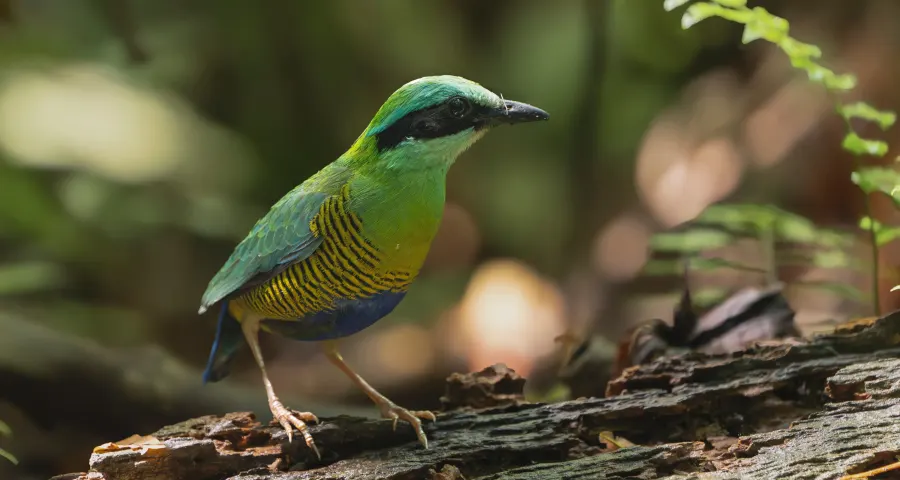
Wildlife photography experiences designed for serious nature travelers

More time with subjects, better positioning, expert guidance, and logistics shaped by light, behavior, and photographic opportunity.

Some journeys are built around transport and sightseeing. Others are built around what photographers actually need in the field.

In Okapi, we design wildlife photography experiences for travelers who want more than a standard nature trip. These experiences are ideal for advanced enthusiasts, dedicated nature travelers, and photographers who want to work with intention in remarkable ecosystems. We also welcome motivated beginners who want their first wildlife photography experience to be structured, well-supported, and genuinely educational.

What makes a wildlife photography experience different?

A strong wildlife photography trip is not defined only by the destination, but by how the journey works once you are in the field. Timing, group size, access, and the pace of each day matter.

That’s why Okapi builds wildlife photography experiences around the moments that shape better images. That means planning around animal activity, seasonal patterns, light quality, and practical photographic conditions. It also means choosing the right transport and the right local setup, whether that involves open safari vehicles, specialist boats, or carefully selected hides.

The result is a journey that supports observation, patience, and stronger photographic decisions. You are not simply moving through a destination. You are working within it with purpose.

How Okapi designs trips for photographers

Built around a photographic opportunity

Each expedition is shaped around factors that affect the quality of time in the field. Routes, schedules, and daily rhythm are informed by wildlife behavior, seasonal conditions, likely encounters, and the best windows for light. This creates a more focused experience than a conventional wildlife vacation.

Small groups and expert support

Small groups allow for better mobility, more individual attention, and a calmer working environment. In wildlife photography, that changes the outcome. It is easier to adapt, reposition, and receive meaningful guidance when the group is not too large. Participants also benefit from support that goes beyond logistics: photographic guidance, technical input, and field support, so learning remains part of the journey rather than something separate from it.

Remote places, chosen with intention

Okapi selects destinations for biodiversity, ecological value, and photographic potential. The goal is not to offer generic sightseeing but to provide access to places where the natural experience feels immersive and the photographic possibilities are worth the journey.

What this experience gives you

More useful time with subjects

Instead of moving too quickly from one stop to the next, you have more opportunities to stay with a scene when the conditions are right.

Practical support in real situations

Guidance happens where it matters most: in the field. You can receive help with settings, positioning, behavior reading, and fast decisions when conditions shift and the moment does not wait.

Better conditions for stronger images

Daily schedules are shaped around light, animal activity, and photographic opportunity.

Progress that matches your level

Experienced photographers benefit from a more focused and efficient trip. Newer photographers gain structure, confidence, and a clearer sense of how wildlife photography works in practice.

Who these experiences are for

For serious photographers

Many travelers who join these trips already have experience with cameras, long lenses, and time in nature. They are looking for more than a standard wildlife holiday. They want better field conditions, thoughtful logistics, and guidance that supports stronger images.

For motivated beginners

You do not need to be an expert to join the right trip. Some travelers come for their first serious wildlife photography experience. What matters is not an advanced level, but genuine interest, openness to learn, and realistic expectations about the pace and purpose of the journey.

What matters most

These trips are best suited to people who take wildlife, travel, and photography seriously. Some arrive with years of experience. Others arrive at the beginning. Both can benefit from a carefully designed experience built around observation, learning, and meaningful time in the field.

Different ecosystems, wildlife, and travel styles

Not every photographer is looking for the same subject or the same kind of trip. Some want iconic mammals in Africa. Others are drawn to birds, reptiles, tropical macro, marine life, or remote landscapes where wildlife and place are equally important.

Okapi’s wildlife photography trips can speak to many of those interests through carefully chosen ecosystems and formats. That may include classic safari settings, remote expeditions, rainforest environments, specialist birding opportunities, or journeys that combine strong wildlife encounters with broader natural history value.

Zambia

South Luangwa — leopards, walking safaris and Africa at its most authentic.

Madagascar

Lemurs, baobabs and chameleons — an island of species that exist nowhere else.

Colombia

The most bird-rich country on Earth — cloud forests, coffee culture and the Colombian Andes.

Kenya

The Maasai Mara — the classic African safari, photographed properly.

Costa Rica

Rainforests, cloud forests and macro life — tropical nature photography at its richest.

Vietnam

Endemic birds, rare primates and living traditions — Southeast Asia's photographic secret.

Next step to your photography experience

If you already know you want a specialist journey, the next step is to compare destinations, travel styles, and departures. If you are still deciding, that is just as valuable. We are here to help you understand what a true wildlife photography experience should offer before you commit to a destination.