A wildlife photography tour in Costa Rica usually comes from travelers who want a destination with strong biodiversity and a trip structure that supports real photographic progress. Costa Rica offers both. Its compact geography, rich ecosystems, and strong conservation culture create a travel experience that feels full of possibility from the first field session.
A well-designed wildlife photography tour of Costa Rica also gives travelers access to a wide range of habitats in a single journey. That helps photographers add variety to their portfolios while keeping the trip cohesive, focused, and enjoyable.
Why Costa Rica Works So Well for Wildlife Photography
A compact country with an unusual habitat variety
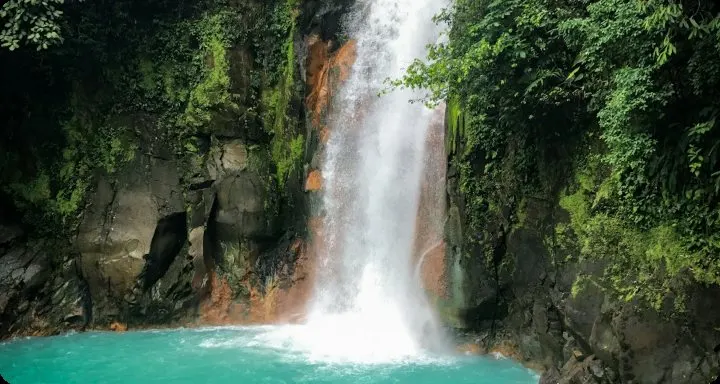
Costa Rica gives photographers something special: a wide range of habitats within manageable travel distances. Rainforests, cloud forests, mangroves, wetlands, river corridors, volcanic slopes, and coastal areas all offer distinct visual opportunities.
That variety supports a trip with more subject changes, more environmental contrast, and more chances to work with different kinds of light and composition. A wildlife photography tour in Costa Rica is designed to benefit from that flexibility, as each region adds a new layer to the visual story.
The destination also supports thoughtful pacing. Photographers can move through several ecosystems without the trip feeling fragmented. That creates a stronger balance between field time, travel rhythm, and concentration.
Strong subject diversity for photographers who value range
Costa Rica rewards photographers who enjoy a range in both subject matter and image style. Birds, monkeys, frogs, reptiles, butterflies, sloths, and coastal species all contribute to a portfolio that feels broad and dynamic.
For many travelers, that diversity is what makes the destination stand out. You can spend one session working with fast behavior in the canopy and another focusing on smaller subjects in richer, more intimate scenes.
That depth of biodiversity also supports a stronger sense of place. Travelers who explore Costa Rica’s biodiversity quickly see why the country appeals to nature-focused photographers seeking variety, visual energy, and ecological richness in a single journey.
What You Can Photograph on a Costa Rica Wildlife-Focused Trip
Costa Rica suits photographers who appreciate both iconic wildlife and subtle natural detail. Depending on the region and timing, a trip may include hummingbirds, toucans, monkeys, sloths, caimans, tree frogs, butterflies, and nesting marine species.
That mix keeps the work fresh and encourages photographers to stay observant across very different kinds of scenes. A portfolio from Costa Rica often feels layered, featuring both charismatic subjects and quieter frames that capture habitat, color, and atmosphere.
For travelers who value natural history as much as image-making, the destination offers real depth. Coastal ecosystems add another dimension, especially for those interested in marine life and conservation-oriented travel.
Why does this destination reward both long-lens and close-focus work
One of Costa Rica’s greatest strengths is technical variety. A morning session may favor long lenses for birds and mammals, while the next session may reward closer work with frogs, insects, flowers, and texture-rich forest scenes.
That shift encourages photographers to refine framing, background control, angle, and timing in a very active way. Each field session sharpens visual judgment through contrast and repetition.
That makes the destination especially rewarding for travelers who enjoy learning through practice. It also supports a richer trip for people who like to alternate between subject portraits and wider storytelling images.
For readers who want to think more about field planning and personal comfort, the question “Is wildlife photography dangerous?” adds a useful perspective.
How Season and Field Conditions Shape the Experience
Dry-season advantages for movement and access
The dry season appeals to travelers who value smoother movement and a very clear travel structure. Simpler road conditions and easier transitions between locations can help an itinerary feel especially fluid.
For photographers, that often means more energy remains available for observation, timing, and composition. It also makes it easier to carry a full kit with confidence and move between habitats in a calm, efficient way.
That sense of flow helps field sessions feel purposeful. A strong trip design can make excellent use of early starts, focused sessions, and carefully chosen location changes, all while preserving a comfortable pace that supports attention and enjoyment.
Green-season advantages for atmosphere, color, and activity
The green season offers its own photographic strengths. Forests feel lush, backgrounds carry richer color, and many scenes gain a more immersive tropical atmosphere. That visual depth can produce images with a strong mood and a vivid sense of place. Photographers who enjoy storytelling often find this season especially rewarding because habitat becomes more expressive in the image.
Seasonal shifts also add interest for travelers who appreciate changing conditions in the field. A well-planned route can leverage those changes to create a competitive edge. For coastal wildlife enthusiasts, NOAA’s leatherback turtle overview offers helpful context on one of the region’s most compelling species.
What a Well-Designed Costa Rica Photography Itinerary Should Include
Time in the field matched to wildlife activity
A strong Costa Rica photography itinerary follows wildlife activity and photographic opportunities. Early starts matter, though time allocation matters even more. Some habitats reward patient observation around one active area, while others benefit from shorter sessions across several locations.
The strongest itineraries create room for repeated attempts, changing light, and moments when animal behavior becomes more visually interesting.
That structure gives each session greater value. Photographers gain the freedom to respond to the field instead of simply moving through a checklist. The result is a more rewarding pace and a stronger set of images by the end of the trip.
Small groups, local knowledge, and realistic pacing
Trip design becomes even stronger when it reflects what photographers actually need in the field. Small groups support flexibility, steadier positioning, and clearer communication. Local knowledge helps travelers understand habitat patterns, likely activity windows, and location-specific opportunities that enrich every outing.
Realistic pacing also creates a more enjoyable experience by supporting concentration and keeping attention on what matters most.
For many nature travelers, this combination shapes the difference between a pleasant holiday and a trip with real photographic depth. A thoughtful structure creates space for learning, adaptation, and stronger field awareness throughout the journey.
Who Gets the Most Value from Costa Rica
Costa Rica works especially well for travelers who want breadth with purpose. It suits bird photographers who enjoy species variety, general wildlife photographers who want a balanced portfolio, and committed nature travelers who value ecological richness alongside image quality. It also welcomes motivated beginners because the destination offers repeated chances to practice observation, composition, and timing in varied conditions.
Experienced photographers often appreciate how quickly the country changes from one habitat to the next. Newer photographers benefit from that same variety because it encourages flexibility and builds confidence through meaningful repetition. The destination feels active, educational, and deeply rewarding for travelers who enjoy both wildlife and visual growth.
Costa Rica Compared with Other Wildlife Photography Destinations
Costa Rica stands out for its range. Many destination decisions come down to the kind of portfolio you want to build and the type of field experience you enjoy most. A simple comparison helps clarify where Costa Rica shines:
Costa Rica suits photographers who want biodiversity, habitat variety, and many kinds of subjects within one trip.
Wildlife photography trips in the USA are a helpful comparison for travelers considering North American destination styles and pacing.
Wildlife photography tour in Sri Lanka offers a useful contrast for readers exploring another tropical destination with a different wildlife profile.
That mix of variety and accessibility gives Costa Rica a very appealing identity. It supports travelers who enjoy versatility, steady learning, and a destination that keeps visual possibilities open from start to finish.
Costa Rica rewards photographers seeking a destination with ecological character, broad subject matter, and room for thoughtful fieldwork. If that matches the way you like to travel, plan your expedition and shape the trip around your dates, interests, and photographic goals.