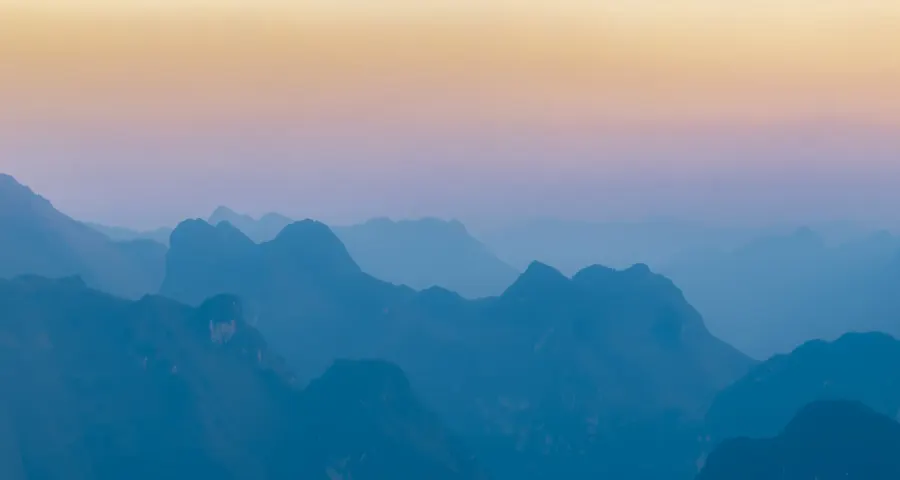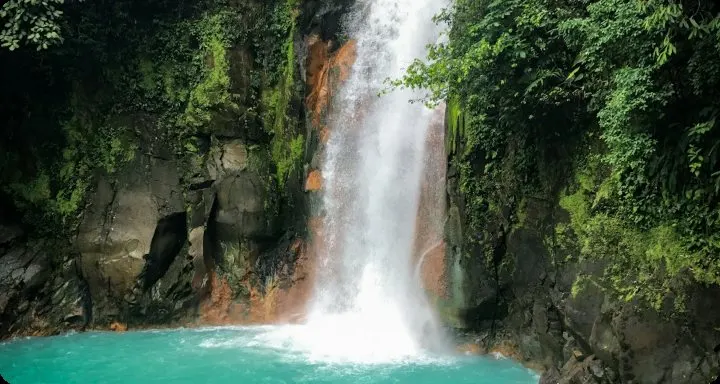

A wildlife photography tour in Sri Lanka appeals to photographers who want species variety, a strong field rhythm, and a destination that feels manageable within a single journey.
The island brings together dry forests, wetlands, highlands, and bird-rich habitats within a compact geography. For image-makers, that creates a rare advantage: you can shape a trip around a single priority or build a broader route that still feels coherent and focused.
Why Sri Lanka stands out for wildlife photography
A compact island with very different wildlife zones
Sri Lanka works especially well because it offers clear habitat contrasts across a relatively short travel range. The country is often described through its Wet Zone and Dry Zone pattern, which helps explain why photographic conditions can shift meaningfully from one region to another, even within the same trip.
That environmental structure supports more planning around subjects, light, and travel rhythm. A useful overview of this climate logic appears in Sri Lanka’s climate and wet–dry zones.
More than a leopard destination
Many travelers first think of Sri Lanka as a leopard destination, and that reputation has real value. At the same time, the island rewards a broader photographic mindset. Elephants, sloth bears, crocodiles, macaques, deer, raptors, owls, kingfishers, and endemic birds all add depth to the experience.
This wider subject range makes Sri Lanka especially attractive for photographers who enjoy switching between mammal portraits, behavior, habitat context, and smaller natural history scenes. In that sense, it offers a different kind of richness from the Wildlife Photography Tour in Yellowstone, where open landscapes and seasonal mammal drama shape the visual identity more strongly.
Key species that shape a wildlife photography tour in Sri Lanka
Leopards, elephants, sloth bears, and crocodiles in the dry zone
Dry-zone parks often define the classic photographic appeal of Sri Lanka. Leopards attract long-lens specialists because they combine charisma, pattern, and strong compositional presence in scrub, rock, and warm-toned woodland. Elephants add social interaction, scale, and opportunities for environmental framing.
Sloth bears offer a singular reward, especially for photographers who enjoy patiently observing their movements and behavior. Crocodiles and waterbirds enrich the visual variety around reservoirs and open edges so that each drive can produce a broader edit than a single-species destination.
Endemic birds and smaller subjects in wetter habitats
Wetter regions and forested zones open a second layer of value. Bird photographers often appreciate Sri Lanka for its endemics, color, and the chance to build a more varied portfolio within one country. Reptiles, amphibians, butterflies, and intimate habitat details also become more relevant in these greener environments.
For travelers who enjoy subject diversity, Sri Lanka can feel especially complete. It also creates a useful contrast with the Wildlife Photography Tour in Costa Rica, another strong tropical destination where rainforest density and small-subject abundance shape the experience in a different visual register.
Best seasons for different photographic priorities
When dry-zone parks are easier to work photographically
Photographers who prioritize large mammals often gravitate toward the drier periods, when visibility can improve, and wildlife activity around water becomes easier to interpret. In parks associated with elephants, seasonal concentration can make timing especially rewarding.
A well-known example is the elephant gathering in Minneriya, which highlights how seasonal water patterns can shape one of the island’s most memorable spectacles. For photographers, that means season is more than a weather decision; it is a compositional and behavioral decision as well.
When wetter regions and birdlife become more attractive
Bird-focused travelers often appreciate periods when greener habitats feel especially active and visually layered. Rich foliage, soft backgrounds, and species variety can support a more detailed shooting style built around patience, perches, and careful framing.
These conditions can also suit photographers who enjoy storytelling through habitat, mood, and smaller-scale encounters. A multi-habitat route becomes very appealing at this point, because it lets you combine mammal ambition with avian variety and more intimate subjects across the same journey.
Quick comparison of trip styles in Sri Lanka
Different trip designs can all work well, provided they match your photographic priority.
| Trip style | Best for | Visual character |
|---|---|---|
| Yala-centered mammal trip | Leopard and classic dry-zone wildlife focus. | Strong mammal portfolio, warmer tones, cleaner backgrounds. |
| Minneriya plus mixed dry-zone route | Elephant timing with wider subject variety. | Good balance of large mammals, water edges, and seasonal spectacle. |
| Multi-habitat itinerary | Travelers who want mammals, birds, and habitat diversity. | Broader portfolio with more shifts in color, texture, and scale. |
This variety gives Sri Lanka a flexibility that also speaks to travelers considering a Wildlife Photography Tour in Svalbard, where the expedition structure feels more singular, and the photographic goal is often more focused.
How trip design changes your results in the field
One park focus versus a multi-park route
A one-park focus can be excellent for photographers who value repetition, familiarity, and the chance to refine decisions across several sessions in a related habitat. Repeated time in one area helps you recognize backgrounds, anticipate animal movement, and work more deliberately as the light changes. A multi-park route offers a different strength.
It expands your subject list, broadens the trip’s visual character, and gives you more ways to build a varied edit that includes mammals, birds, landscapes, and smaller scenes.
Vehicle time, pace, and realistic field expectations
The strongest Sri Lanka itinerary is the one whose pace supports observation and flexibility. Photographers benefit from enough time to stay with a promising scene, enough mobility to adapt when the situation changes, and enough structure to connect park choice with the best hours of the day.
This is also where a photography-first operator adds value. Small groups, field awareness, and local knowledge help turn access into useful photographic time. That approach aligns closely with the kind of structure Okapi describes on its experiences page, where timing, group size, and expert support shape better image-making in the field.
Who does this destination suit best
Photographers prioritizing mammals and dramatic sightings
Sri Lanka suits photographers who enjoy iconic subjects with strong visual presence. Leopards, elephants, and sloth bears create the kind of anticipation that keeps each field session energized and photographically rewarding.
The destination also works well for travelers who want a compact itinerary with a clear photographic purpose and a good balance between ambition and accessibility.
Travelers who want species variety in one destination
It also suits photographers who enjoy building a broad portfolio. A single journey can include mammals, birds, reptiles, wetland scenes, forest detail, and habitat-driven storytelling. That combination feels especially valuable for travelers who want to return with a body of work that reflects both flagship wildlife and the place’s wider ecological character.
What to ask before booking a Sri Lanka wildlife photography trip
A strong planning conversation usually covers the points that most affect your time in the field:
Ask which park or habitat receives the main focus, and how that choice supports your subject priorities.
Ask which season best aligns with leopard work, elephant photography, bird diversity, or a balanced portfolio.
Ask how the daily pace, driving time, and session structure support photography during the best working hours.
Ask how many travelers join the trip, and how the group format supports flexibility and field guidance.
Ask whether the journey is designed for a concentrated mammal portfolio or a wider mix of subjects.
Final thoughts on choosing the right Sri Lanka itinerary
Sri Lanka offers a rare combination of photographic focus and subject variety. You can build a journey around leopards and elephants, shape it around birdlife and greener habitats, or combine both approaches in a route that stays coherent from start to finish.
For photographers who value thoughtful design, small-group structure, and meaningful time in the field, the next step is to explore wildlife photography experiences.